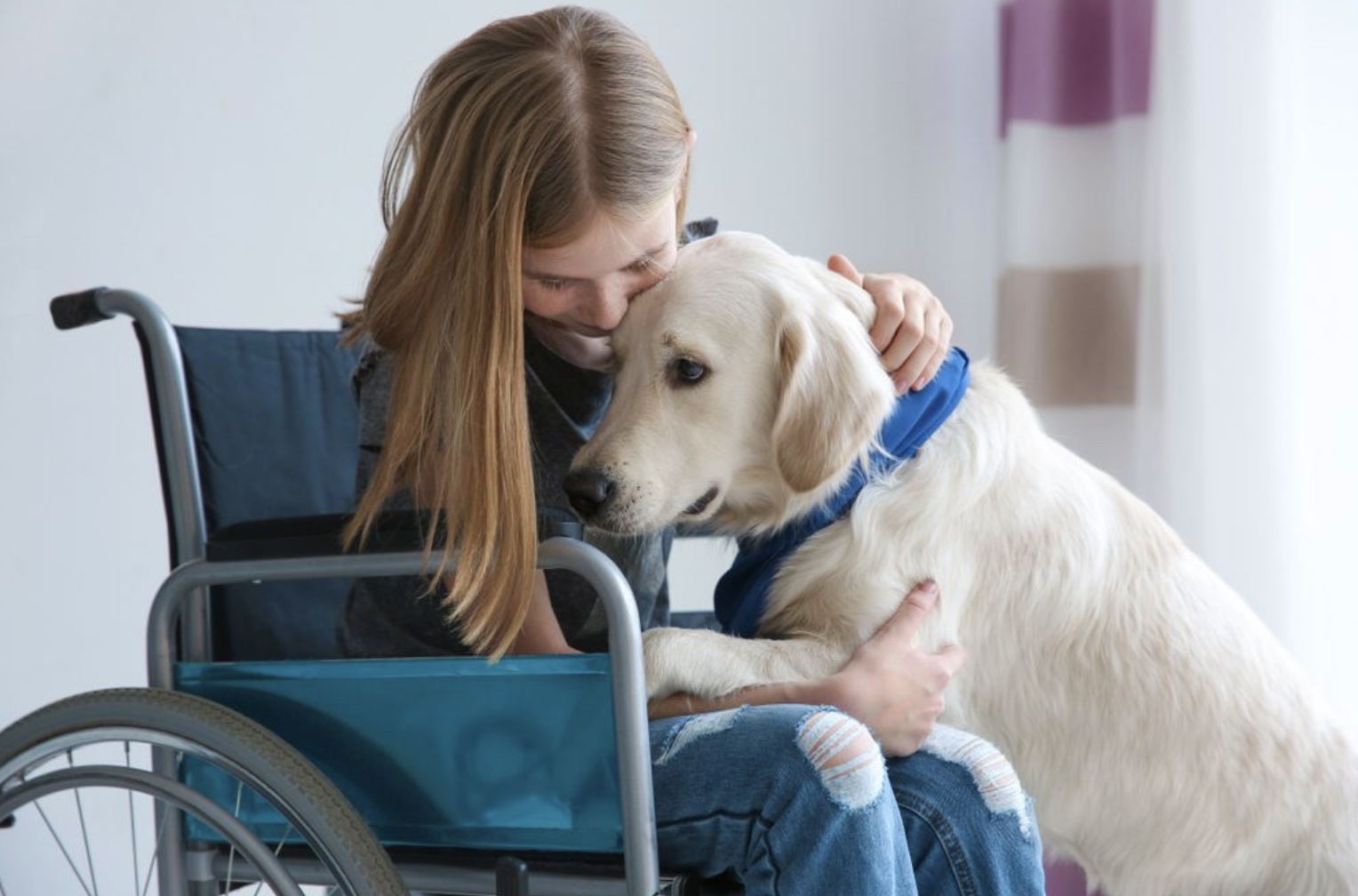
Almost everyone loves puppies, and you have probably felt the therapeutic effect of cuddling a small pup in a loving embrace. Puppy love is unconditional and non-judgmental, which can feel so soothing when you have a stressful job, a busy schedule, and so many duties to fulfil. It is no surprise that at some point somebody thought of “Hey! Why don’t we try puppy therapy to ease our minds and hearts?!”. If you are looking into the potential benefits of puppy therapy, please read on!
What is Puppy Therapy?
Puppy Therapy is a guided, supervised activity where people interact with young dogs (typically puppies) for a short, structured period. These interactive sessions aim to produce calming, mood-elevating effects. Sessions are run by handlers, breeders, or organizations who manage puppy welfare and participant safety. Formats include public ticketed experiences, office or campus visits, private bookings, and small group sessions. The primary intent is well-being support (stress relief, mood boost, social connection) and often simultaneous early socialization for the puppies.
In a historic context, puppy therapy has no definitive origin point. Dogs have been a part of therapy work for the past fifty or sixty years, and only recently have they been receiving wider recognition for their work as therapy dogs, service dogs, and emotional support dogs. The wonderful work by Elizabeth Ruegg, published in Psychology Today, suggests that Boris Levinson was the first to formalize "pet therapy" in the 1950s by including his dog in psychotherapy sessions. In a more recent context, we can find the “Puppy Love Can Be Therapeutic, Too” article in the JAMA Journal from December 1995.
What are the benefits of Puppy Therapy?
Dog-assisted programs ranging from short drop-in “pet therapy” visits to integrated facility-dog services produce consistent, measurable benefits across workplace, university, and clinical settings. The evidence from recent empirical studies and program evaluations shows converging effects in three broad domains: emotional and physiological stress reduction, improved social and cognitive functioning, and operational/organizational advantages. We will talk more about these aspects below:
Emotional and Physiological Stress Reduction
Interactions with trained dogs reliably improve momentary mood (greater calmness, happiness, vigor) and reduce negative mood states (tension, anger, fatigue, confusion) in staff, students, and patients. Participants commonly report decreases in physical symptoms associated with stress (headache, muscular tension, elevated heart rate, palpitations, stomach upset) immediately after sessions.
These short-term mood and somatic improvements are plausibly linked to neuroendocrine changes documented elsewhere (e.g., increases in oxytocin and reductions in cortisol), making animal contact a rapid, low-burden way to down-regulate acute stress responses.
Social, Cognitive, and Behavioural Effects
Dog therapy fosters social connection and group cohesion: shared positive interactions create opportunities for informal conversation, reduce social isolation, and can improve team morale and collegial relationships.
For students and staff, brief animal-assisted events increase approachability and communication, helping reduce anxiety around exams or workload and promoting a sense of community.
In clinical contexts, facility dogs can enhance patient-provider interactions by reducing patient anxiety and facilitating rapport; staff report improved patience, empathy, and perceived capacity to support patients after interactions.
Operational and Organisational Benefits
In workplaces and healthcare units, repeated or scheduled dog-assisted programming is feasible to implement and is highly acceptable to participants, with large proportions requesting regular access.
Potential downstream organizational gains include reductions in perceived burnout risk, improved staff resilience, better workplace atmosphere, and possible retention benefits; these merit a formal cost–benefit study but are plausible given the scale of mood improvements.
In educational settings, short animal sessions are an efficient, widely appreciated intervention for stress relief during high-pressure periods (e.g., exam weeks).
Caveats and implementation considerations
Effects are typically immediate and subjective; robust long-term outcome data are limited and heterogeneous. Programs must prioritise animal welfare, infection control, participant screening (allergies, phobias), handler training, and clear protocols to maximise benefits and minimise risks. Not all populations will engage positively; offerings should be optional and culturally sensitive.
The summary above is based on the following scientific papers:
1) “Dogs in the Workplace: A Review of the Benefits and Potential Challenges” - International Journal of Environmental Research and Public Health, Volume 14, Issue 5, Year 2017
2) “‘Basically He’s a Pet, Not a Working Dog’: Theorising What Therapy Dogs Do in the Workplace” - British Sociological Association, Sage Journal, Volume 38, Issue 4, Year 2023
3) “The Impact of Facility Dog Programming on Mood and Stress Among Healthcare Workers in Adult Inpatient Oncology Units” - Levy Library Press, Practical Implementation of Nursing Science, Volume 3, Issue 1, Year 2024
4) “Therapy Dogs and the Impact on Employees in the Pediatric Medical Setting” - Laine Foith, Department of Social Work, Abilene Christian University Campus, Year 2017
5) “The feasibility of brief dog-assisted therapy on university students' stress levels: the PAwS study” - Journal of Mental Health, Volume 27, Issue 3, Year 2018
6) ”Petting away pre-exam stress: The effect of therapy dog sessions on student well-being” - Stress and Health Journal, Volume 34, Issue 3, Year 2018
Overall, dog therapy is a scalable, low-complexity activity that reliably reduces acute stress, promotes social connections. It supports well-being in workplaces, universities, and medical facilities when implemented with proper safeguards.
What Kind of Organisations Offer Puppy Therapy in the United Kingdom?
Specialist private providers and event companies that run public ticketed sessions and corporate visits provide puppy therapy sessions. Additionally, you can find puppy and pet event agencies that hire litters for corporate events, university stress-relief days, or private bookings.
If you are looking to give a unique gift to a friend or a loved one, you may also find experience/gift companies that sell vouchers for organised puppy sessions at regional venues.
Charities that offer assistance dog training may also host puppy therapy sessions as part of their programs to socialize the pups who are planned to work as assistance dogs. Breeders and handlers working with providers to ensure puppy welfare and socialisation during events might be the most common organizers of puppy therapy sessions.
What Costs to Expect for Puppy Therapy Sessions?
The cost for puppy therapy in the UK varies. Individual therapy sessions can range from approximately £50 to £95, while a 6-week program averages around £300 to £360. Public drop-in and ticketed group sessions may cost between £20–£40 per session. You may find single-attendee session pricing online for £29.99 for a seated play/cuddle session in a fixed venue.
As mentioned above, you could gift someone a voucher for a puppy therapy event, and you will probably see one-hour curated experiences sold for roughly £25–£50 per person, depending on location and organiser.
Private bookings and corporate events (venue visit, staffed sessions) start from a few hundred pounds upward. Our research shows the pricing can start from £150 and reach £600 depending on the number of participants, travel, length of hire, and whether the provider supplies multiple handlers or a bespoke setup.
One-to-one therapy or private home/venue can cost a lot more. Most pricing online ranges between £40–£120 per hour, depending on provider, travel, and bespoke services.
Please keep in mind that the pricing varies by provider, region, session length, group size, and whether the booking is public, private/corporate, or a one-to-one visit. Always check the specific provider for the exact fee and what it includes (briefings, handler presence, puppy welfare measures, insurance). If you are looking for recommendations, you may want to check the links below:
1. Gifting a Puppy Therapy via Wonderful Days: www.wonderdays.co.uk/vouchers/pooch-therapy-cuddles-play-experience
2. Puppy Yoga Classes: www.puppy-yoga.co.uk & puply.co/business-teams
3. Curated Sessions for Workplaces: www.puppyloveevents.co.uk & www.pudgypups.com/puppy-therapy
4. One-on-one Visits: www.petsastherapy.org & www.noahs-art.co.uk/1-1-services