Dogs are more intelligent than you may have suspected. A study published by the Royal Society in the Biology Letters Journal suggests that dogs retain a vocabulary of object labels for at least two years. In fact, dogs can learn to classify novel objects by their function, as the research in the Current Biology Journal Volume 35, Issue 19 shows.
Now you might be wondering which breeds are the most intelligent? We will try to answer this question and maybe help you adopt a brainy canine to work for you as an assistance dog. Also, we will talk about the life expectancy and coat types of the listed breeds, as that may be helpful in selecting a long-lived assistance dog for you.
01. Belgian Malinois
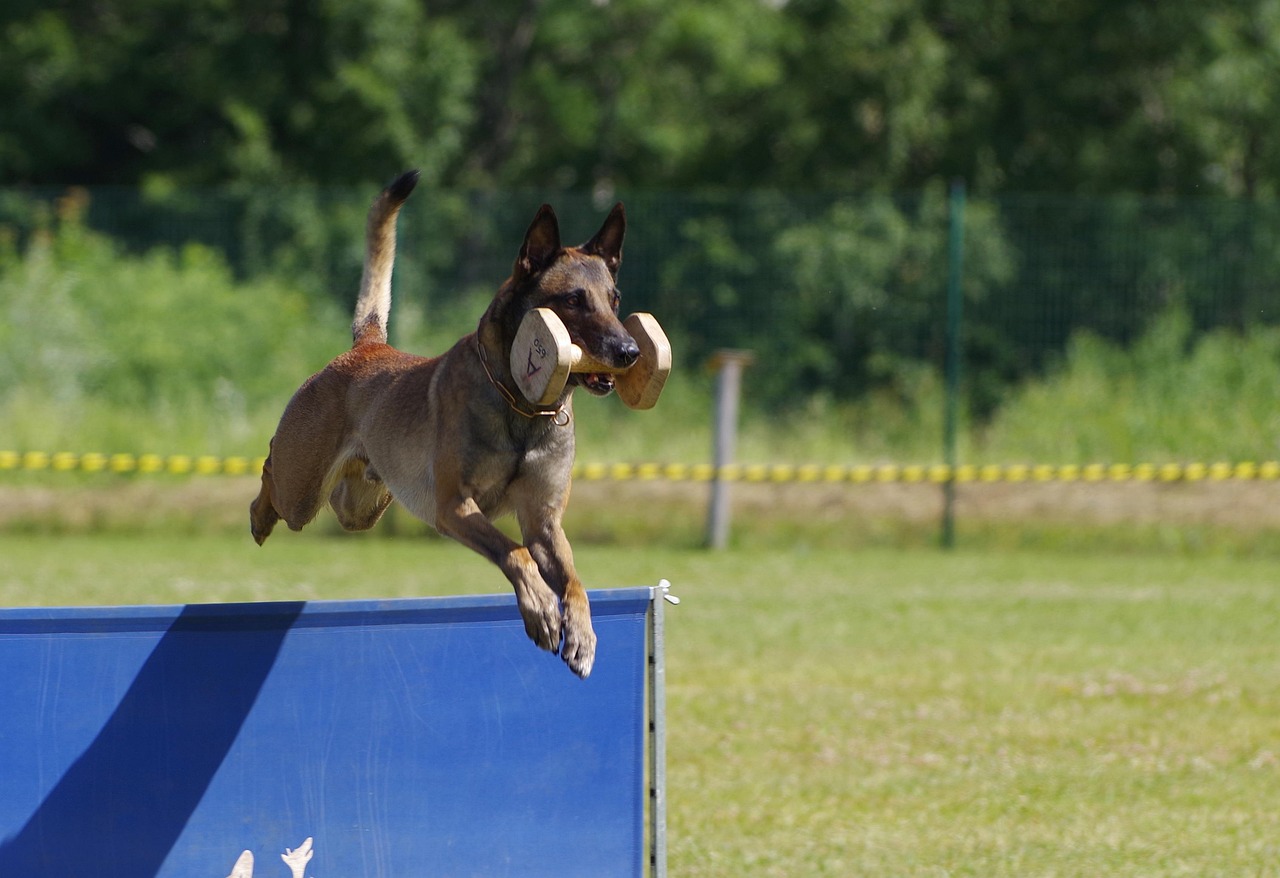
Belgian Malinois are repeatedly cited among the smartest, most trainable working breeds due to extraordinary focus, problem-solving ability, and rapid obedience learning that make them staples in police, military, protection, and detection work. The breed belongs to the Working Group (sometimes placed with herding/working registries depending on the country) and was developed in Belgium for herding, guarding, and later protection tasks. Belgian Malinois combine high instinctive intelligence for working tasks, strong adaptive problem-solving in dynamic environments, and exceptional handler-reading skills. These attributes explain why trainers and organizations repeatedly rank them among the smartest and most capable breeds for demanding professional roles.
Their coat is short, straight, and dense (FYI, a single-layer coat that is weather-resistant and easy to groom). Their coat can range from fawn to mahogany with a black mask and black-tipped hairs giving a sable or shaded appearance. Their life expectancy generally ranges from about 12 to 14 years for healthy individuals. Malinois are intensely energetic, driven, confident, and highly trainable; they form very strong bonds with handlers, require firm, consistent leadership, and need extensive daily physical and mental outlets to avoid frustration or undesirable behaviors.
02. Poodle
Poodles rank near the top of intelligence lists due to exceptional trainability, quick adaptive problem-solving, and high social acuity. Breeders offer three sizes: Standard, Miniature, and Toy. You may be interested to learn that all variants share the same cognitive strengths.
In terms of temperament, Poodles are alert, active, eager to please, and sociable. They are favored for combining a playful, sometimes clownish demeanor with a strong desire to work and perform various tasks. They respond very well to positive reinforcement and complex task training. The breed is classified in the Sporting Group in some registries (historically bred as water retrievers) and competes successfully in obedience, agility, and service-dog roles. Their combination of high working intelligence, quick comprehension of human cues, and adaptability to diverse homes (from family households to performance arenas) explains why they appear consistently near the top of expert lists of smart breeds.
The Poodle’s coat is dense, curly, and single-layered (it can be non-shedding in many cases), which makes them a common choice for people seeking lower-shedding companions. They will require regular coat care, such as grooming and clipping. Life expectancy varies by size but typically ranges from about 12–15 years for Standards and can reach 14–18 years for Toy varieties with good care.
03. German Shepherd
German Shepherds are repeatedly named among the smartest breeds because they combine strong problem-solving ability, keen situational awareness, and an intense willingness to work closely with humans. The breed is loyal, confident, protective, and highly trainable. They bond deeply with handlers and excel in roles requiring independent judgment under direction. That is why you see many GS adopted into police, military, search-and-rescue teams, and service dog teams. German Shepherds are placed in the Herding Group or Working Group depending on the registry, reflecting their origins as versatile herders and protectors rather than simple companion dogs. Their intelligence shows in both rapid obedience acquisition and making decisions in dynamic situations. Most GS dogs maintain high motivation for structured tasks, protection work, and mentally demanding jobs. These traits put them persistently on “smartest breeds” lists.
Their coat is a double coat—dense undercoat with a straight or slightly wavy outer coat—that sheds seasonally and requires moderate grooming. Average life expectancy is about 9–13 years, influenced by genetics and hip/elbow health.
04. Golden Retriever
Golden Retrievers appear consistently on intelligence lists because of their strong desire to please, fast learning, and excellent social intelligence, which make them superb service and therapy dogs. The Goldens are friendly, gentle, eager, patient, and highly adaptable to family life. They combine reliable trainability with emotional sensitivity and strong intuition. The Goldens respond well to positive reinforcement and structured activities. Their intelligence is evident in obedience and handling complex task sequences. The Golden Retrievers are famous for reading human cues and performing calm, persistent work in emotionally demanding settings such as therapy and assistance dog roles. Their qualities consistently put them on popular rankings by expert service dog trainers and animal behaviorists.
Their coat is a dense, water-repellent double coat with medium to long feathering; colors range from light to deep golden and require routine brushing. Typical life expectancy is about 10–12 years. Breed group classification places Golden Retrievers in the Sporting Group (bred originally for retrieving game), and their working history fosters instincts for retrieving, search tasks, and cooperation with handlers.
05. Doberman Pinscher
Doberman Pinschers are frequently listed among the smartest breeds for their rapid learning capacity, high situational awareness, and strong problem-solving applied to protection and working roles. The Dobermans are alert, loyal, courageous, and intensely devoted to their families. Provided they have early socialization, they can be stable, affectionate companions who also possess strong protective instincts. Their intelligence shows in both working/instinctive tasks (guarding, protection work) and in responsiveness to structured training. Be advised that they require consistent leadership and mental stimulation to channel their drive productively. Their combination of perceptiveness, trainability, and courage accounts for frequent inclusion on top-intelligence lists compiled by trainers and canine researchers.
The Doberman’s coat is short, smooth, and close-lying with classic black-and-tan, red, blue, or fawn coloration. Life expectancy typically ranges from about 10–13 years. Kennel classifications usually place Dobermans in the Working Group, reflecting their historical development as guard and protection dogs.
06. Shetland Sheepdog
Shetland Sheepdogs (Shelties) are commonly included among the smartest breeds because of their notable obedience, rapid mastery of cues, and a strong herding instinct that translates into close attention to handlers. The Shelties are affectionate, responsive, sensitive, and energetic. These dogs bond strongly with families, often alerting to changes in routine while remaining gentle with children and other pets. Their combination of instinctive herding intelligence, eagerness to learn, and emotional attunement to owners explains their frequent appearance on expert lists of intelligent breeds.
The Sheltie’s coat is a long, dense double coat: a coarse outer coat over a soft, insulating undercoat, with a prominent mane and feathering that needs regular grooming. Life expectancy generally falls between 12–14 years. The dogs belong to the Herding Group, consistent with origins on the Shetland Islands, where they managed small flocks; their small size, coupled with high mental agility, makes them exceptional competitors in obedience, herding trials, and agility courses.
07. Labrador Retriever
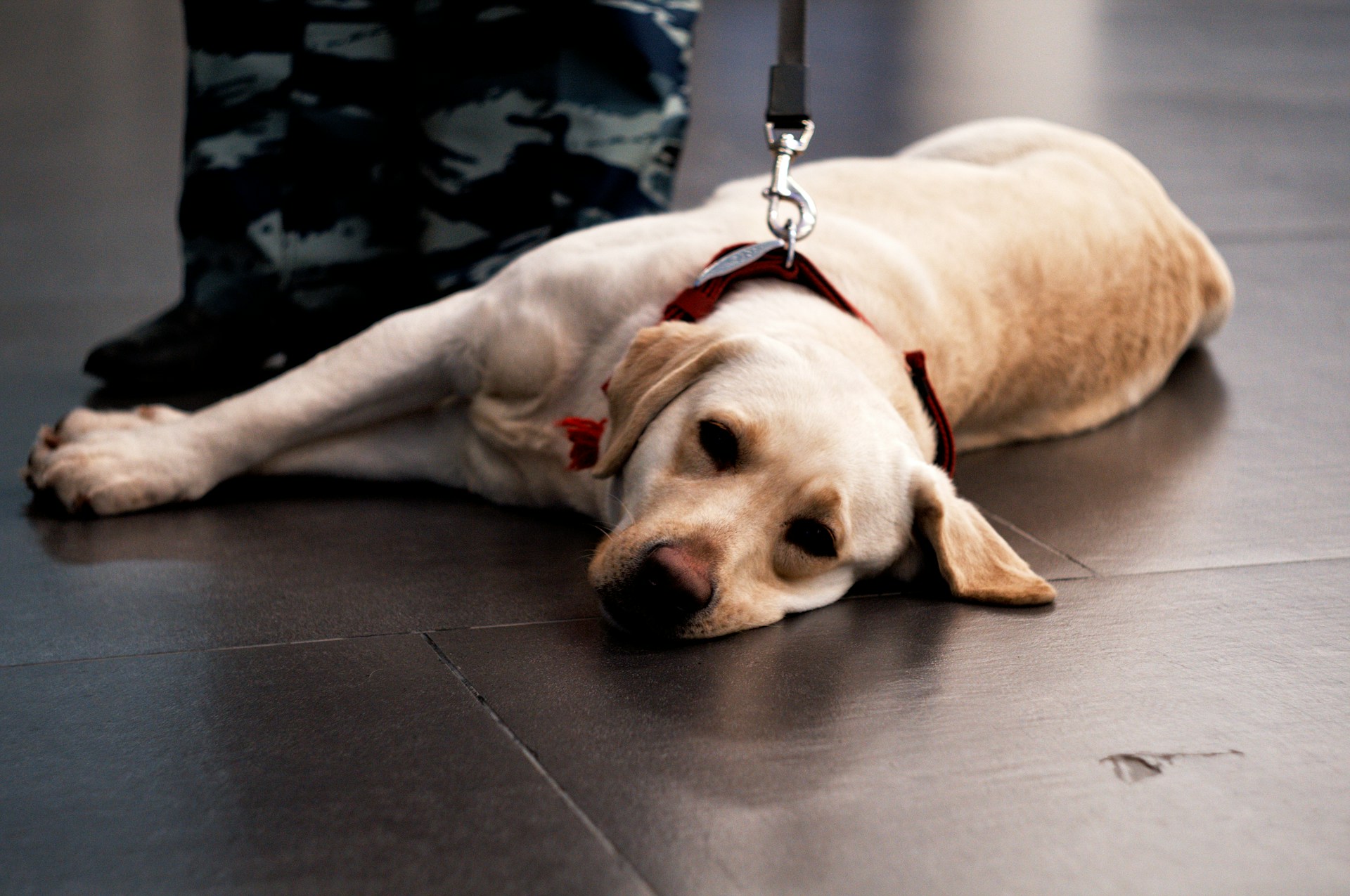
Labrador Retrievers are repeatedly named among the smartest breeds because of their practical problem-solving skills, strong instinct to retrieve, and high trainability. These qualities make them excellent service, detection, and working dogs. Most Labs are friendly, outgoing, steady, and highly motivated by people and food rewards. They display dependable, calm temperaments around families. These dogs shine in high-pressure work like search, rescue, and assistance. Their consistent trainability, eagerness to work, and adaptability across roles explain why they appear on nearly every survey and expert list of intelligent dog breeds.
Their coat is a short, dense, water-resistant double coat that comes in black, yellow, or chocolate and requires straightforward grooming. Life expectancy typically ranges from about 10–12 years. Labradors are classified in the Sporting Group, reflecting their history as gun dogs bred to retrieve game; this working heritage contributes to both instinctive and school learning intelligence.
08. Australian Shepherd
Australian Shepherds are widely recognized for high working and adaptive intelligence, thriving in demanding herding, agility, and performance roles where independent problem-solving and fast learning are essential. The Aussies are intensely energetic, loyal, highly trainable, and people-focused, but can be reserved with strangers. They excel when given clear leadership, abundant exercise, and mentally challenging work. These dogs can display herding behavior around children or other animals unless trained and socialized early. Australian Shepherds combine strong instinctive intelligence and high energy, making them superb candidates for competitive dog sports, search tasks, and demanding service dog roles. Their combination of stamina, attentiveness, and eagerness to learn explains their frequent appearance on expert lists of intelligent breeds.
Their coat is a medium-length double coat (often straight to slightly wavy) with a weather-resistant topcoat and a softer undercoat; common colors include blue merle, red merle, black, and red, usually with white markings and tan points. Typical life expectancy ranges from about 12 to 15 years. The breed is classified in the Herding Group, developed in the United States for managing livestock across varied terrain and conditions, which were selected for adaptability, courage, and independent initiative.
09. Rottweiler
Rottweilers show up consistently on smart-breed lists because of strong working intelligence, exceptional ability to read people and situations, and high trainability when handled by consistent, confident owners. Their intelligence manifests across instinctive working tasks and obedience training. Rotties often excel in obedience and protection sports when the training is consistent and positive.
Their coat is short, dense, and coarse with characteristic black coloring and rust/tan markings; grooming is relatively simple. Average life expectancy typically ranges from about 8–10 years, with some individuals living longer under attentive care. Breed group classification commonly places Rottweilers in the Working Group, reflecting a history of droving, guarding, and later police and protection work.
10. Australian Cattle Dog
Australian Cattle Dogs (Blue/Red Heelers) appear frequently on intelligence rankings because of their awe-inspiring intelligence, high energy, and focus. However, their strong herding instincts demand purposeful activity, and these dogs are not suitable for novice owners. These dogs are alert, tenacious, loyal, and highly driven. They form tight bonds with owners and often show independent thinking combined with an exceptional work ethic. Because of their combination of working instinct, endurance, and creative problem-solving when faced with tasks, Australian Cattle Dogs are a frequent inclusion on expert and popular lists of the smartest dog breeds.
Their coat is short, dense, weather-resistant, and typically speckled or mottled blue or red; it requires minimal grooming but benefits from regular brushing. Life expectancy is relatively long for a medium-sized, active breed—commonly around 12–15 years. In breed group terms, they are placed in the Herding Group. They were bred specifically to control cattle over long distances and challenging terrain. Their heritage shaped their adaptive intelligence and capacity for autonomous decision-making.
If you are looking to train an assistance dog that belongs to one of the listed breeds, we can offer some help in choosing the best time to start the training. Should you be interested in testing your dog’s IQ, then you may want to check the Hill's Pet Dog IQ Test.