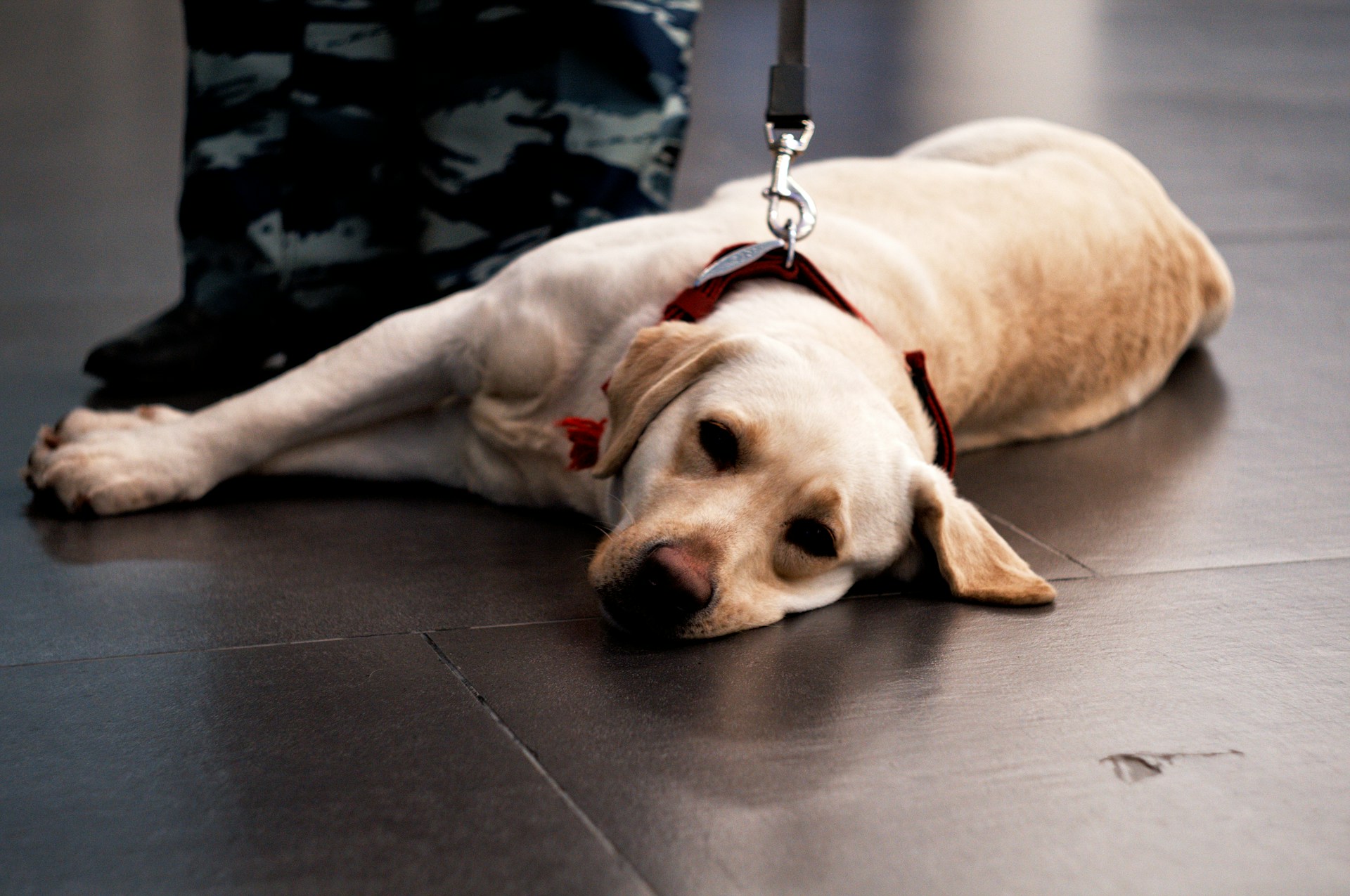
Many people form deep, life-changing bonds with their dogs, who are not just pets but cherished members of the family. For some, these relationships go beyond that bond, into the realm of service dogs, who become their handlers’ most loyal companions and invaluable support in daily life.
Service dogs are not pets, but highly trained partners who perform specific tasks to help people with disabilities lead safer and more independent lives. If you’re thinking about training your dog as a service dog, it’s important to understand the responsibilities and requirements involved to ensure the best experience for yourself and your furry friend.
What Are Service Dogs?
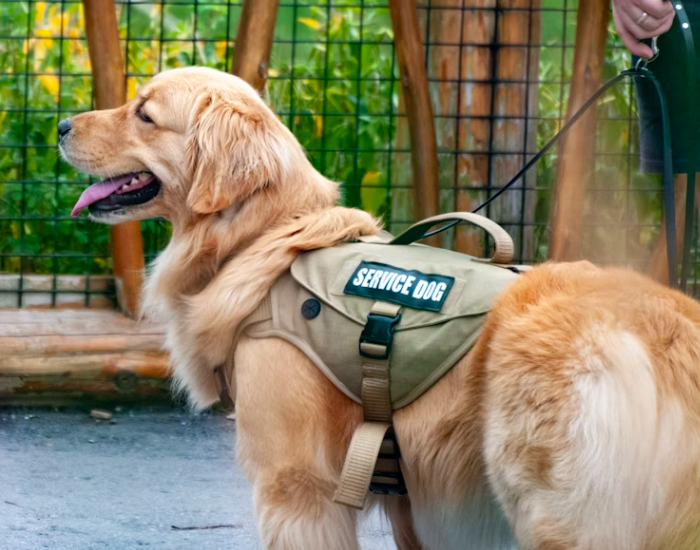
A service dog, also known as an ‘assistance dog’ in Europe, is a dog individually trained to perform specific tasks for a person with a disability. Disabilities can be of all types, including physical, sensory, psychiatric, or medical, and the tasks a service dog performs must be directly related to the individual’s health condition.
Common examples of service/assistance dogs include:
- Guide/seeing-eye dogs for individuals with visual impairments;
- Medical alert dogs for individuals with medical conditions, such as seizures, diabetes, and cardiac issues;
- Mobility and balance support dogs for individuals with mobility impairments;
- Psychiatric service/assistance dogs for individuals with mental health issues, such as anxiety, panic attacks, bipolar disorder, depression, and PTSD.
- Hearing dogs alert to important sounds in the surroundings, such as a phone ringing or an alarm going off.

Are Service Dogs the Same as Emotional Support Animals (ESAs)?
No, both terms describe different types of support animals with important differences between them.
ESAs are a type of companion animals that provide comfort and companionship, but do not perform specific tasks directly related to a disability. Moreover, ESAs are not limited to dogs; they can include cats, birds, rabbits, guinea pigs, and other domesticated animals.
Service/assistance dogs are limited to dogs only, with some exceptions in the U.S., where miniature horses are also legally recognized as service animals under the separate provision of the Americans with Disabilities Act (ADA).
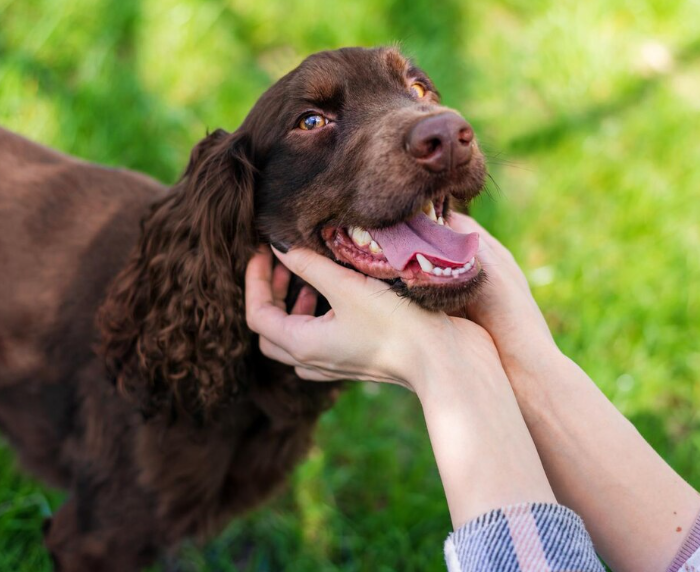
Is My Dog a Good Candidate?
Each dog has a unique personality and temperament. While training, patience, consistency, and, of course, finding the right approach can work wonders, not all dogs are equally suited for service dog work.
You need to honestly and thoughtfully evaluate your dog’s temperament and personality to determine whether they are a good fit for service dog work. Naturally friendly, people-oriented, curious, and eager-to-learn dogs tend to become more reliable and attuned service dogs compared to those that are more independent or stubborn.
You might still give it a try, of course, but training will likely be more challenging and take longer.
Key traits that make a dog a strong candidate for service dog work include:
- Calm temperament, especially in public spaces;
- Ability to remain focused on the handler (although this can be trained);
- Eagerness to learn;
- Being comfortable with handling, noise, and crowds;
- Physical and mental health.
Breed can influence suitability, especially if you’re looking for more physically demanding tasks, but it is not the deciding factor.
Many dogs of all sizes and breeds have successfully become service dogs, from Labradors/Golden Retrievers to smaller breeds like Chihuahuas.
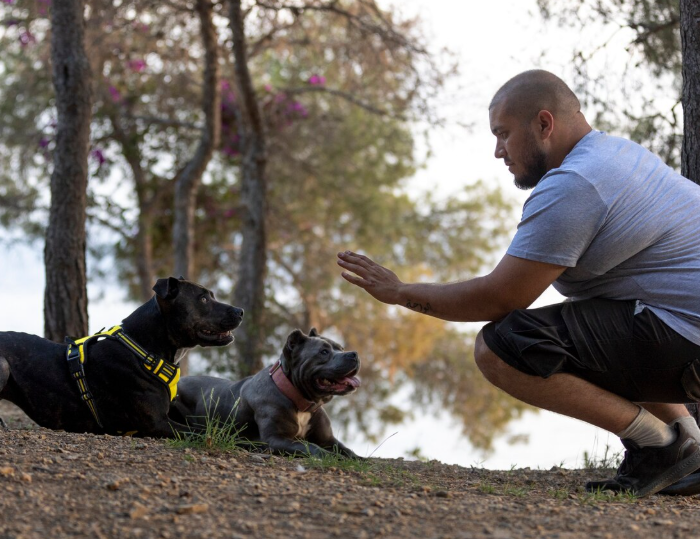
Training Your Service Dog – What Should You Consider?
Deciding to train your dog to become a service dog is a meaningful and life-changing journey! A service dog is far more than just a well-behaved companion; they are a trusted partner who will help you navigate daily challenges and gain greater independence.
However, before you
begin, it’s important to understand what this process involves so
you can set realistic expectations and ensure both you and your dog
achieve your goals.
Training a service dog isn’t just about teaching commands- it’s about building a deep partnership based on trust, patience, and communication. This journey requires commitment, consistency, and a lot of patience. It’s not something that happens overnight. It’s a lifelong process where every step forward matters. And even after your dog is fully trained, you will need to continue maintaining their progress and strengthening your bond as a team.
One of the first decisions you’ll need to make is whether to train your dog yourself, including with the help of structured programs, or work with a professional trainer or organization. Both paths are valid, and the right choice depends on your needs, lifestyle, personal values and circumstances, resources, and, of course, your dog’s needs.
In-Person Professional Training
Some organizations specialize in training service dogs for specific disabilities, such as mobility support, psychiatric assistance, diabetic alert, etc. Some undeniable benefits of professional training include:
- A clear, structured program with defined milestones;
- Professional trainers who understand complex behavior and advanced task work;
- Exposure to a variety of environments and scenarios;
- Guidance and support tailored to your disability and lifestyle.
In some cases, you’ll be actively involved in the process and will need to attend training sessions or participate in the process at home or at the trainer’s facility.
However, in-person training also has disadvantages, such as:
- Professional programs can be expensive;
- You may not always get to train with your own dog if they are not suited for service work;
- It requires time and dedication to attend regular in-person sessions;
- You will need to take the trainer’s schedule into consideration, which may not be convenient;
- You may not agree with all of the trainer’s approaches and methods.
Owner-Training Your Service Dog
In many countries, including the United States and the United Kingdom, it’s legal for individuals to train their own service dogs.
This path will help you be directly involved in every step of your dog’s development and build a strong bond with them while growing as a team.
However, owner-training comes with significant responsibility, and you should always remember that.
Owner/self-trained service dogs must meet the same behavioral and performance standards as a professionally trained service dog. This means you, as the main handler and trainer, are expected to commit to learning the necessary skills, staying consistent, and dedicating plenty of time to practice.
To be successful as a handler, you’ll need to become familiar with some key concepts, such as:
Understanding Your Dog
Since you and your furry friend will be members of the same team, you will need to get to know each other on a deep level and become attuned to each other’s needs. You will need to read your dog’s body language and recognize signs of stress, excitement, or discomfort. This will help you prevent problems before they arise and create a positive training environment.
Using Positive Reinforcement Techniques
Training should always be built on trust and rewards, not punishment. Clicker training, treat rewards, and praise will help your dog understand exactly what behaviors you want to see. This will contribute to shaping them into a confident and happy service/assistance dog, ready to navigate all kinds of situations.
Socializing Your Dog
Proper socialization from a young age and generalizing learned behaviors are key components of successful training.
Service dogs must remain calm and confident no matter what’s happening around them. This is why it’s essential to gradually introduce your paw companion to different people, animals, sounds, smells, surfaces, and situations, and ensure they become comfortable with each new experience. This will help them get accustomed to potential triggers and learn to respond to your cues consistently, regardless of the situation or surroundings.
Structured Program/Plan
A clear plan or program with defined goals and steps will keep you focused and prevent confusion for your dog.
It will help provide structure by outlining what you want to achieve and breaking it down into simple, manageable steps. You might consider enrolling in a training course with an easy-to-follow structure, which allows tasks to be divided into achievable steps.
Benefiting from a trainer’s guidance can also be very helpful, and some programs offer the flexibility to practice at your own pace while receiving ongoing support.
Practicing Patience and Consistency
Training is a marathon, not a sprint! Always focus on the journey, not just the end goal.
Some skills may take only a few days to learn, while others may require weeks or months, and that’s completely normal.
As your dog learns to respond to your cues and perform specific tasks, you will also be learning to remain patient and consistent, and celebrate even the small victories, because they all count!
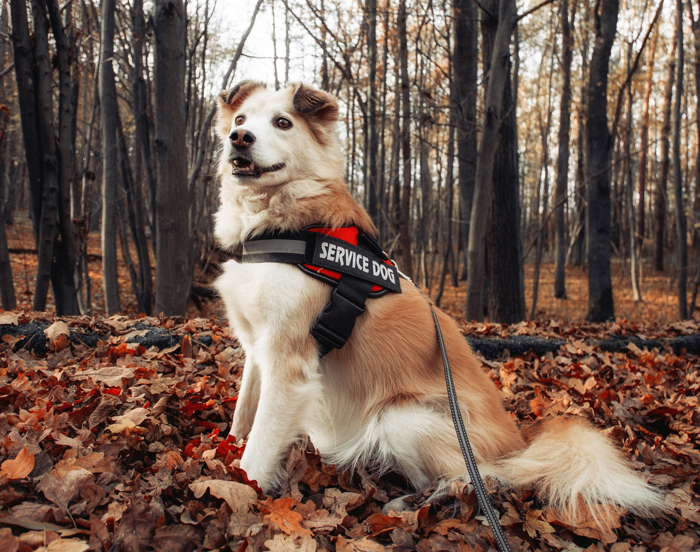
Key Areas of Service Dog Training
Training a service dog goes far beyond
basic manners like sit, stay, and come. It involves three key
areas:
Obedience Training
Obedience is the foundation of all other skills. Your dog needs to respond reliably to commands such as sit, down, stay, heel, and come before transitioning into more advanced training. Having strong obedience ensures your dog can stay focused and safe while performing more complex tasks.
Task Training
Task training is an essential component of service dog training and actually what differentiates service/assistance dogs from pets and companion animals.
Service/assistance
dogs perform specific tasks directly related to their handler’s
disability that help mitigate the symptoms of that disability. Some
common service dog tasks include but are not limited to:
- Providing balance support and/or mobility-related tasks such as pulling a wheelchair, retrieving items, opening doors, etc.;
- Guiding an individual with visual impairments;
- Alerting to medical episodes, such as changes in blood sugar levels, blood pressure, or seizures;
- Performing deep pressure therapy (DPT), alerting to anxiety, and interrupting harmful behaviors to help with psychological issues;
- Alerting to important sounds in the surroundings, such as an alarm going off or a doorbell ringing.
Each task is taught gradually, step by step, and requires regular practice and reinforcement to ensure reliability.
Some tasks may not be immediately visible, so if you’re unsure whether a dog is a service dog, it’s best to approach the handler respectfully and ask politely. However, personal or disability-related questions should never be asked.
Public Access Training
Trained service dogs are expected to behave appropriately in public, even in highly distracting environments. They need to remain calm, focused, and under control at all times, which ensures they can respond reliably to their handler’s cues. Whether navigating restaurants, grocery stores, crowded streets, or public transportation, a service dog’s attention must stay on their handler.
By practicing in real-world settings, a dog trained to be a service/assistance dog learns to maintain focus and self-control, ensuring both their safety and the safety of those around them.
Furthermore, public access training not only strengthens the dog’s reliability but also builds confidence in the handler and provides them with a greater sense of independence and peace of mind in everyday life.

Prepare Yourself for the Journey
While
service dog training is a process, much of the focus is on the dog,
but the handler plays an equally vital role. Being a successful
service dog handler involves more than giving commands- it’s about
building a true partnership!
Below, we’ll list several tips we hope will help you on your training journey.
Guiding and Supporting Your Dog
You’ll need to confidently lead your dog through all types of environments, staying calm even when situations are stressful or unpredictable.
By giving clear cues, consistent guidance, and gentle corrections with positive reinforcement (never punishment), you help your dog understand what you expect from them. Keep in mind that your own attitude influences your dog- when you are composed and calm, your dog will mirror that calmness and confidence.
Regular Veterinarian Check-ups
Regular veterinary care, a balanced diet, exercise, and mental stimulation are all essential to keeping your dog fit for service work. Monitoring your dog’s weight, coat, and energy levels can help you recognize potential issues early and take measures.
Remember that both physical and mental stimulation, like puzzle toys or engaging games, are important for your furry friend’s overall well-being.
Public Access Manners
Service dogs are viewed as medical aids, not pets, so it’s important to avoid unnecessary interactions that could break their focus. Stay aware of your surroundings and anticipate distractions. By helping your dog stay calm in busy or noisy areas, you strengthen their reliability and confidence in performing tasks in public.
Ongoing Training and Reinforcement
Even fully trained, your dog’s skills will need regular practice to stay sharp. Maintaining progress after the completion of a training course is an essential thing current and future service/assistance dog handlers need to remember.
Refreshing commands, practicing in new environments, and gradually increasing difficulty help maintain their abilities. Continuous learning also strengthens the bond between handlers and their dogs, keeping them mentally engaged and confident.
Patience and Emotional Resilience
There will be challenging days... Setbacks happen, but staying positive and consistent will help you and your dog keep moving forward.
It’s important to acknowledge and celebrate even the small steps and successes on the way, and recognize progress, even if it’s gradual. Throughout the process, you and your furry friend will build emotional resilience, which will help you remain motivated and committed to your training journey!

Service/Assistance Dog Regulations
If you decide to embark on a self-training journey with your dog, remember to review local regulations in advance.
Based on your location you may be legally permitted to train your dog as a service dog or you may need to have them evaluated by a local trainer. In some cases, service/assistance dogs may need to be provided by certain organizations, which often are members of Assistance Dogs International (ADI) or the International Guide Dog Federation (IGDF).
In some countries, including the United States and the United Kingdom, dog owners are allowed to train their pet dogs as service/assistance dogs.
In the US, service dogs are protected under the Americans with Disabilities Act (ADA). This law guarantees public access rights, which means you can bring your service dog with you to places open to the public, including restaurants, stores, and public transportation.
However, these rights come with rules:
- Only dogs trained to perform specific tasks related to a disability qualify as service animals.
- Businesses may ask handlers two questions to verify the dog’s legitimacy as a service animal:
1. Is the dog required because of a disability?
2. What tasks has the dog been trained to perform?
Service dogs must remain under control at all times, be on a leash or harness unless this interferes with their work.
In the UK, assistance dogs are protected under the Equality Act 2010. According to the information on the website of the Equality and Human Rights Commission:
“Disabled people who use assistance dogs may experience discrimination if shops, restaurants, and other businesses object to assistance dogs being brought onto their premises. If this happens, the effect is to deny the disabled person the opportunity to buy goods or use services in the way other people do.
Potential consequences include losing valuable business and risking claims of disability discrimination, which could result in financial compensation”.
In the EU, there isn’t a unified legal framework, and rules differ between countries. That said, you may want to check local legislation in advance.
Taking the time to understand both your rights and your responsibilities will help ensure a smooth experience for you and your service dog when you’re in public.