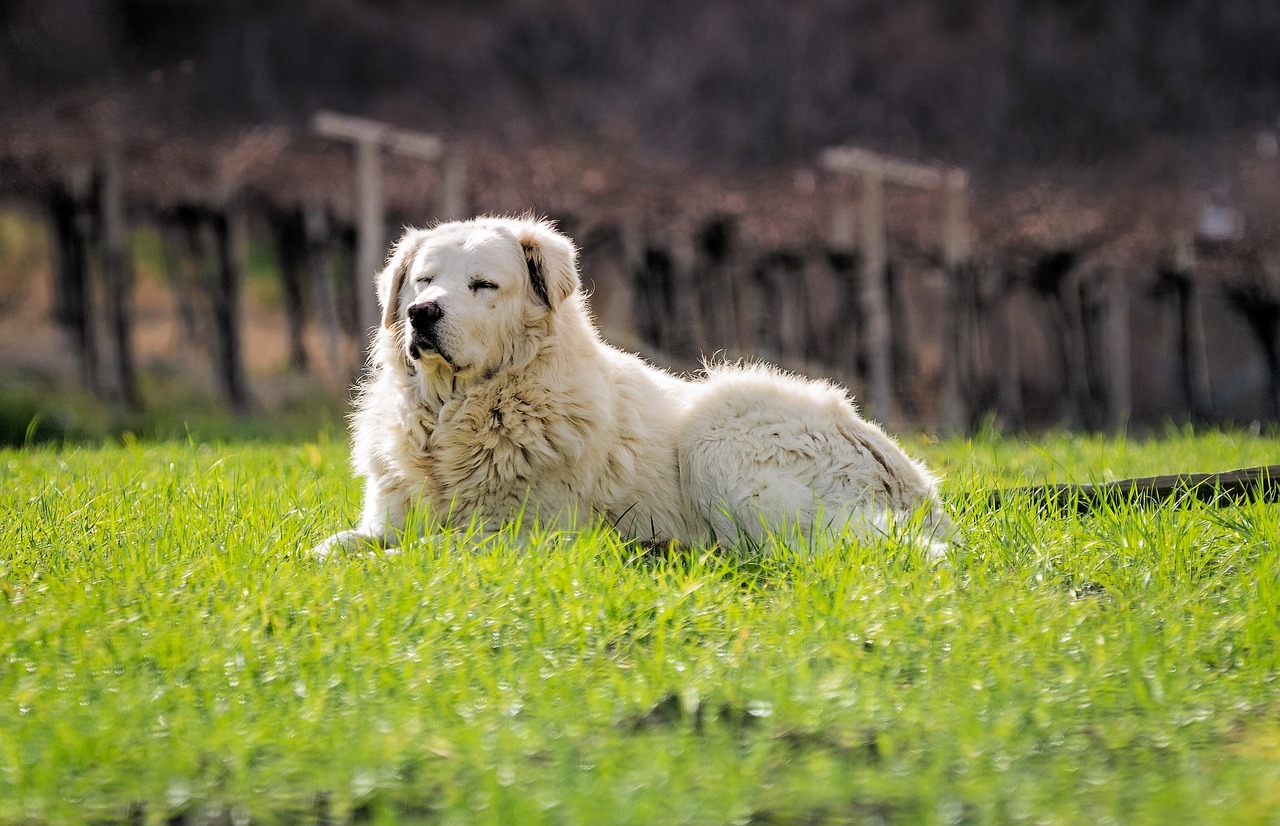
Scientists and major allergy organizations agree that no dog breed is truly hypoallergenic. If you are looking for a science-backed review, please check the resources from the American Academy of Allergy, Asthma & Immunology. Studies and expert reviews show significant individual variability in allergen production to support claims that specific breeds are consistently safe for people with dog allergies.
Allergens come from more than hair. The proteins that trigger allergies are present in a dog’s dander, saliva, urine, and skin oils, not just their fur. You can opt for a low-shedding breed of dog, but you can not avoid the particles that may cause an allergic response. You may be interested to learn that allergen levels vary between individual dogs more than between breeds, according to research. A dog of one low-allergen breed does not guarantee low exposure from another dog of the same breed.
If you wish to learn more, you may consider reading the study “Do hypoallergenic cats and dogs exist?” in the “Annals of Allergy, Asthma & Immunology” journal.
Practical Tips for Adopting and Taking Care of Low-Shedding Dogs
Please keep in mind that many guard-type hypoallergenic breeds are high-energy and need experienced handlers. If you have little to no experience caring for a big dog, we recommend you reconsider your options for the sake of your peace of mind, your home, and your dog’s well-being. Professional protection or behavior training is recommended for breeds with strong protective instincts to channel these safely and avoid overprotective aggression.
Teach your guard dog from a young age the household rules about furniture, doors, and permitted areas to prevent confusion and reduce territorial behavior. Early obedience training (recall, sit, down, leave it, and place) builds reliable control in high-stress scenarios. Here are a few easy-to-remember tips:
• A consistent schedule keeps a guard dog calm and predictable.
• Feed your guard dog at set intervals.
• Walk your guard dog regularly.
• Train and practice commands every day to build a routine.
• Environmental fixes such as blocking line-of-sight to the street, adding white noise, or moving the dog’s resting spot reduce trigger-driven barking.
Daily physical exercise appropriate for the breed prevents frustration-driven guarding behaviors. Mental activities like scent games, obedience exercises, and puzzle toys channel a dog’s guarding instincts in a healthy way while providing valuable enrichment. Supervised perimeter walks, scent detection, or structured “watching” games give purpose without promoting constant vigilance, and can be fun for both the handler and their guard dog.
Guard Dogs That Don’t Shed Too Much and Are Good With Kids
Breed #1: Standard Poodle
Size: Large
Guarding ability: Excellent (alert, trainable)
Shedding level: Very low
Why do we recommend it: These dogs are highly intelligent, highly trainable, alert, and capable of deterrent barking. They are often used as family protectors or watchdogs. Their fur grows continuously and sheds minimally. Many people with allergies report better tolerance, though no breed is truly allergen-free.
Breed #2: Giant Schnauzer
Size: Large
Guarding ability: Very good (protective, bold)
Shedding level: Low
Why do we recommend it: The dogs of this breed are strong, loyal, and protective. They have been bred for farm and guard work. They need consistent training and exercise. They have a double coat with a wiry topcoat that sheds less than many large breeds when regularly groomed.
Breed #3: Portuguese Water Dog
Size: Medium-Large
Guarding ability: Good (alert, strong swimmer)
Shedding level: Low
Why do we recommend it: They have a curly coat that sheds minimally. Many allergy-prone owners report tolerating them better than typical shedding breeds. The Portuguese Water Dog is perceived by many trainers as a good combo between low-shedding and decent guarding/alerting breeds.
Breed #4: Bouvier des Flandres
Size: Large
Guarding ability: Very good (calm, protective)
Shedding level: Low-Moderate
Why do we recommend it: They have a strong, solid physique and a calm, protective temperament. They are calm and protective in temperament. Historically, a herding and farm guardian with a strong presence. Their coat is coarse and tousled. You may consider trimming it to reduce loose hair and dander exposure. This breed can be a great option for individuals who want a serious guardian with somewhat lower shedding than similar working breeds.
Breed #5: Standard/Working Schnauzer
Size: Medium-Large
Guarding ability: Good (vigilant, territorial)
Shedding level: Low
Why do we recommend it: They are alert, territorial, and bold. You can choose between a few sizes, from standard to giant types, depending on lineage and mix. Their coat is wiry and low-shedding. However, it requires grooming and hand-stripping to manage dander and loose hair. They are frequently selected as a practical hypoallergenic-leaning guard dog option—especially by users who prefer a smaller, more manageable guardian dog than the giant protection breeds.
Breed #6: Soft-Coated Wheaten Terrier
Size: Medium
Guarding ability: Moderate (watchful, territorial when needed)
Shedding level: Low
Why do we recommend it: They are typically friendly and great with children. Many owners report them to be affectionate to their family but wary of strangers.
Breed #7: Airedale Terrier
Size: Medium-Large
Guarding ability: Good (alert, courageous, territorial)
Shedding level: Low-moderate
Why do we recommend it: Most representatives are playful and sturdy. They are a good fit for families seeking a versatile guard dog with low shedding levels, who is patient with kids and can be trained for protection or deterrence.
Breed #8: Bergamasco Shepherd
Size: Medium–Large
Shedding level: Low
Guarding ability: Very good (flock/house guardian instincts)
Why do we recommend it: They are patient, calm, family-oriented, and good with children. The Bergamasco Shepherd canines are suited to families looking for a calm, steady guardian type with a low-maintenance coat. One of their good points is that they are easy to train
Breed #9: Spanish Water Dog
Size: Medium–Large
Shedding level: Low
Guarding ability: Good (alert, energetic)
Why do we recommend it: Dogs of this breed are affectionate with their families but can be reactive toward strangers. They need proper socialization from a young age to avoid behavioral issues later in life. They typically require less grooming compared to others on this list.
Breed #10: Cane Corso
Size: Large
Shedding level: Low
Guarding ability: Excellent
Why do we recommend it: While these dogs have a strong physique, which may appear intimidating, they are very good with children and affectionate with their families. Cane Corso easily takes up guarding duties and will require a more experienced owner.
Some people tolerate low shedding levels, but tolerance is personal and not guaranteed. Frequently grooming and bathing the dog, the use of HEPA air filtration, opting for hard floors instead of carpet, and restricting the dog from bedrooms can reduce allergen levels. If you have allergies, assume no breed is guaranteed safe. Rely on allergy testing, trial exposure to the specific dog, and regular house cleaning, rather than breed labels.
Recommendations for New Guard Dog Owners
We want to stress that the individual dog temperament matters more than breed claims. Try to do an interview with your breeder or shelter to understand more about the background and exhibited behavior of your selected candidate for adoption. Keep in mind that terriers and water dogs typically need to be physically and mentally stimulated through tasks and games to remain fit and not develop unwanted behaviors out of boredom.
It is highly recommended to teach the dog clear family rules (place, recall, leave it) and teach the children to have a respectful bond with the dog. Your children should be taught to read the dog’s body language, avoid sudden moves that can scare the dog, and not hug the face of the dog, and how to read dog's body language. Younger guard dogs may tolerate outbursts from children not too well, so you should not skip on supervising them around kids.
Set visitor routines so the dog knows what to expect when people arrive. It is best to begin doorbell practice from a young age. Secure fencing and gates reduce the chances of your dog escaping and reduce the risk of unwanted confrontations with your neighbors and passersby.
Also, routine veterinary care and parasite prevention keep your guard dog healthy while they are monitoring your yard and performing their duties.