An emotional support animal (ESA) is most often recommended for someone who experiences persistent emotional or psychological difficulties that substantially interfere with their daily life. This recommendation is typically made by a personal physician, therapist, or psychologist. ESAs can help their owners gain a measurable comfort, stability, or functional improvement from consistent companionship.
Health Profiles That Can Benefit From an ESA
We will list several health profiles that could benefit from having an ESA as part of their treatment programs. The list is not going to exhaust every case, but it may be a good starting point for you. Please do not miss the opportunity to speak to your GP, therapist, or psychologist about the potential benefits of using an ESA.
Here is our list that may serve as general guidance for you:
1. Chronic Anxiety or Panic Disorder
ESAs can provide grounding, interrupt panic cycles, and offer a predictable, calming presence during high-anxiety moments.
2. Major Depressive Disorder
Regular care tasks and affectionate interaction with an ESA can increase activity, provide routine, reduce isolation, and offer immediate emotional comfort.
3. Post-Traumatic Stress Disorder (PTSD)
Individuals with PTSD may benefit from an ESA’s calming proximity, ability to interrupt dissociation or panic, and the increased sense of safety in public settings.
4. Persistent Loneliness or Social Isolation
ESAs offer consistent social contact that reduces feelings of emptiness, encourages outings, and supports gradual re-engagement with others.
5. High-Functioning Autism or Sensory Regulation Needs
People on the autism spectrum or with sensory dysregulation may use an ESA to self‑soothe, reduce sensory overload, and aid transitions through tactile grounding.
6. Attention-Deficit/Hyperactivity Disorder (ADHD)
An ESA can help structure daily routines, provide nonjudgmental companionship that reduces impulsivity or hyperfocus, and encourage breaks for movement.
7. Chronic Medical Conditions With Emotional Impact
Those coping with long-term illness, chronic pain, or recovery from major health events often gain emotional stability and motivation from animal companionship.
8. Phobias or Severe Situational Anxiety (e.g., Agoraphobia)
ESAs can enable gradual exposure to feared environments by providing emotional support and a calming point of focus outside the home.
9. Elderly People Facing Cognitive Decline or Bereavement
Older adults frequently benefit from the routine, sensory comfort, and reduced loneliness that an ESA provides, which can improve mood and day-to-day functioning.
10. People Managing Recurring Treatment or Life-Disrupting Therapies
Those undergoing repeated medical or psychological treatments may find that an ESA helps with emotional resilience, stress reduction, and adherence to self-care routines.
There is plenty of scientific research that points to the amazing effect that ESA companionship can have on people who struggle with mental health challenges. We specifically recommend taking a look at:
Nature.com Scientific Reports
2) “Chapter 5 - Providing Guidance on Psychiatric Service Dogs and Emotional Support Animals”
Clinician's Guide to Treating Companion Animal Issues
BMC Psychiatry Journal
If you have already been recommended to use an emotional support animal, we are guessing you will probably be interested in adopting a dog or a cat to serve as your ESA. This page will focus on emotional support dogs, and we will present you with our top ten breeds.
Top 10 ESA Dog Breeds
Labrador Retriever
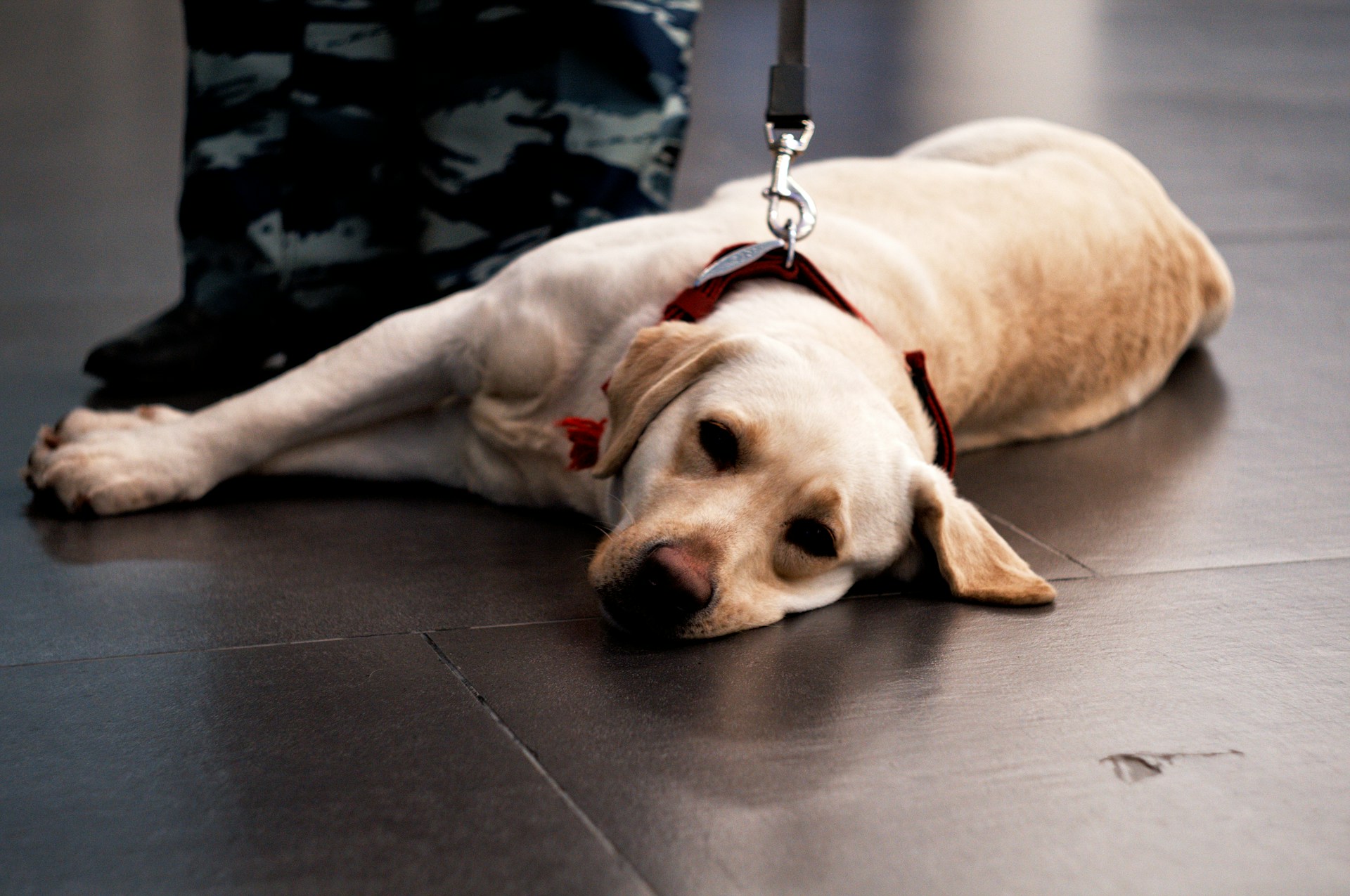
Labrador Retrievers are recommended as emotional support animals because their temperament combines steady affection, strong social intelligence, and a dependable desire to please. Labs are naturally oriented toward people and thrive on close human contact, which makes them responsive to low moods and anxious behavior: they will lean in, nudge, or lie quietly beside a person to offer grounding presence. Labradors also tolerate a wide range of environments and social situations, making them reliable companions in and out of the home. Their predictable, friendly nature reduces fear of unexpected reactivity and builds a secure, stabilizing human–dog relationship over time.
Labs suit active families or individuals who enjoy daily exercise, outdoor time, and social outings. They need space to run and consistent mental stimulation, so they’re best for people who can commit to regular walks and play.
Golden Retriever
Golden Retrievers are often singled out for emotional support because of their consistent, gentle temperament and remarkable empathy toward people. Goldens tend to mirror human moods. They become calm and steady around distressed people and show overt comforting behaviors such as leaning, soft eye contact, and sustained proximity. Their cooperative, eager-to-please disposition makes them straightforward to train for routines and cues that help a person manage panic or depressive episodes (for example, tactile contact prompts or interruption cues).
Golden Retrievers are also social and nonthreatening in public settings, which gives owners confidence when venturing out; this can reduce isolation and reinforce gradual exposure to social situations. Their combination of playfulness and patience means they can lift mood through interaction but also settle into quiet companionship when energy needs to be low.
Goldens fit households seeking a warm, social companion who participates in family activities and outings. They thrive with consistent interaction and moderate exercise, preferring people who include them in daily routines.
Poodle
Poodles (standard, miniature, and toy) work well as emotional support animals because they combine high intelligence and emotional sensitivity. Their mental flexibility makes them quick to learn calming behaviors, to respond reliably to owner cues, and to adapt routines that scaffold an owner’s day. Poodles are attentive and bond closely with handlers, often tuning into subtle changes in mood and responding with proximity or gentle interaction.
For allergy-sensitive individuals, a low-shedding poodle coat can make close physical contact feasible without the respiratory issues that prevent some people from benefiting from a cuddly companion. Additionally, poodles enjoy activities that promote mutual engagement, which can be therapeutic by encouraging consistent movement and focused tasks that interrupt rumination.
Poodles match anyone wanting an intelligent, trainable dog for interactive games. They adapt well to apartment or house living if given sufficient mental stimulation and grooming care.
Pug
Pugs make effective emotional support animals due to their compact size and affectionate disposition. They generally have a strong desire for human closeness and create frequent, easily accessible comfort. They are bred to be companionable and tend to be somewhat clingy, offering lap time, soft contact, and humorous, mood-lifting antics that can disrupt negative thought cycles. Pugs are also typically adaptable to apartment living and close quarters. Their expressive faces and sociable nature invite regular interaction, which increases opportunities for oxytocin-boosting touch and predictable routine
They prefer lots of human contact and short, gentle walks rather than vigorous activity. Their relatively low exercise needs suit owners who require a soothing presence without the obligation of long daily hikes.
Cavalier King Charles Spaniel
The Cavalier King Charles Spaniel is prized as an emotional support breed because of its gentle, affectionate temperament and strong tendency to form deep bonds with a single caregiver. Cavaliers are naturally lap dogs who seek constant contact and are soothed by close human presence. Their small size makes cuddling and physical closeness effortless, which is helpful for people who rely on tactile comfort during times of distress. They are generally tolerant, patient, and non-confrontational around strangers and other pets, reducing the stress of social exposure for owners.
Cavaliers also have moderate exercise requirements and adapt well to various living situations, providing consistent, low-effort companionship while still encouraging short outings that support daily routine.
Shih Tzu
Shih Tzus are recommended as emotional support animals because they are compact, affectionate, and emotionally tuned to their humans. These toy-sized dogs were historically bred as companion dogs and typically prefer being close to people, offering steady lap time and quiet presence that can soothe anxiety and loneliness. For many, the combination of easy physical accessibility, warm temperament, and manageable care needs makes the Shih Tzu an emotionally supportive, low-stress partner.
Their moderate energy level and adaptability to indoor life make them suitable for owners in apartments or with limited mobility who nevertheless need a constant comforting companion. Shih Tzus tend to be social and enjoy routines, which can help structure an owner’s day through scheduled feeding, grooming, and short walks—activities that promote stability and distraction from intrusive thoughts.
Beagle
Beagles can be strong emotional support animals because of their friendly, inquisitive nature and consistent sociability. They are small-to-medium-sized dogs that enjoy companionship and regular activity, which encourages owners to engage in walks and meaningful outdoor time. Beagles can encourage behaviors that reduce rumination and elevate mood through exercise and fresh air. Beagles’ curious disposition promotes playful interaction, social bonding, and lighthearted distraction from stress. They are generally nonthreatening and form close attachments, so they often provide predictable comfort and physical contact.
Their routine-oriented temperament also benefits people who gain stability from routine care tasks. Feeding, walking, and play provide external structure that can improve daily functioning. Beagles are good for active households that can offer daily walks and scent-based play to channel curiosity. This supports both the dog's and the owner's well-being.
Corgi (Pembroke/Cardigan)
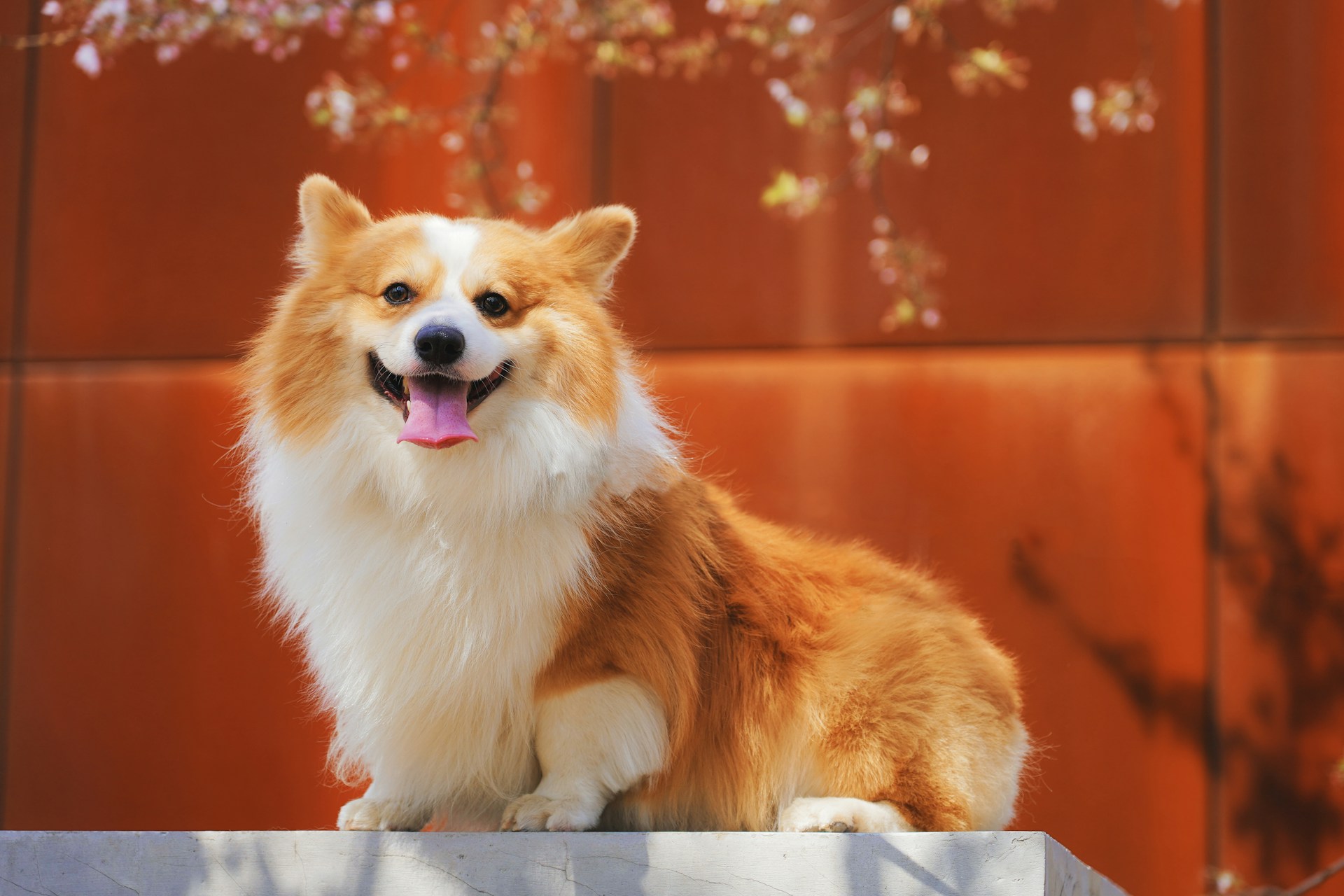
Corgis are recommended as emotional support dogs because they blend affectionate loyalty with a playful, engaging personality that fosters regular interaction and laughter. Their companionship can be amazing for mood regulation. Their strong desire to bond with their owner creates a dependable source of comfort and encourages mutual routines. Corgis are very expressive and often entertaining, which you may find endearing.
Their medium-to-small size makes them easy to hug and carry when needed, and their herding background gives them notable social intelligence: Corgis often monitor their humans and respond to emotional cues with alert, attentive behaviors. They thrive on short bouts of activity that fit well into daily routines, promoting brief but frequent outings that break cycles of isolation.
Border Collie
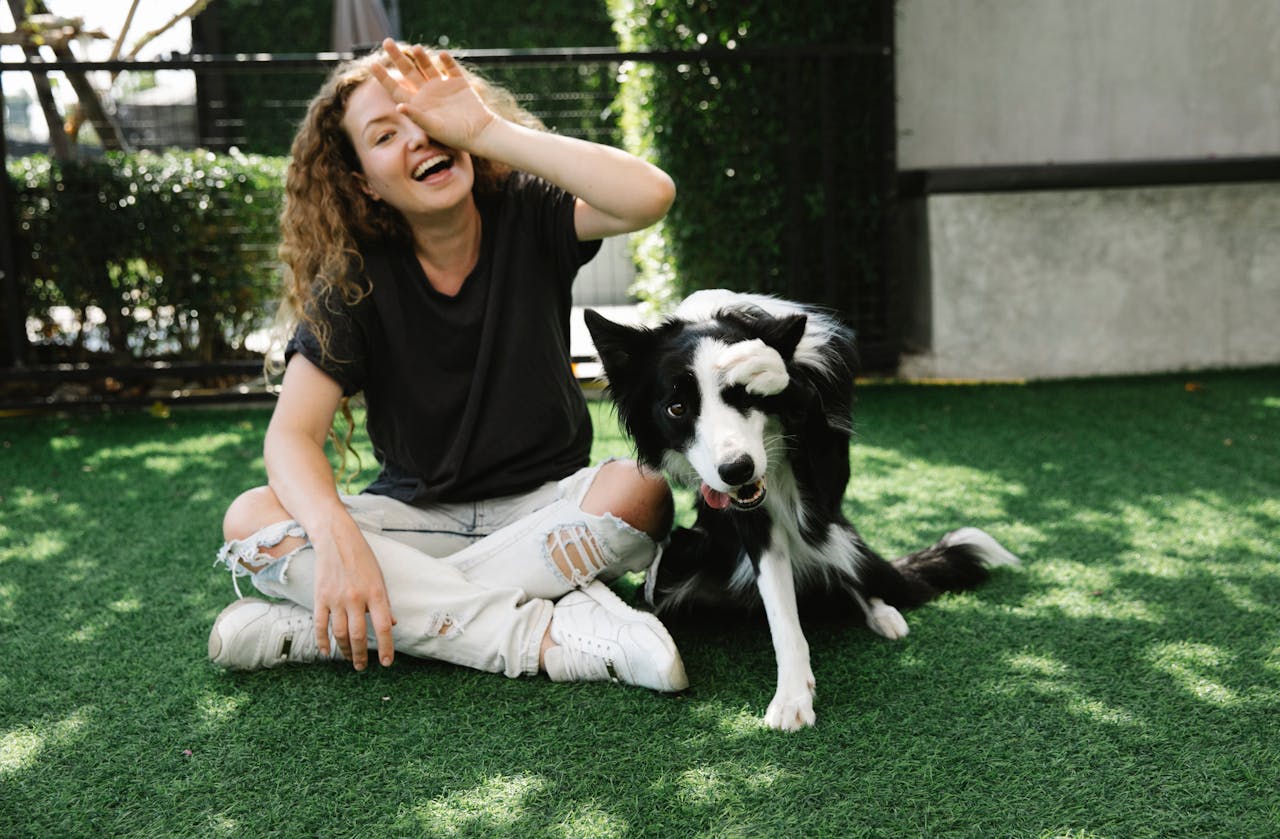
Border Collies are recommended as emotional support animals for owners who benefit from high levels of engagement, structure, and entertaining activity. Renowned for their intelligence and sensitivity, Border Collies quickly learn to tune into human emotions and can be trained to provide task-based support, redirection during panic, or grounding through focused activities.
Their intense need for mental and physical stimulation makes them ideal companions for active individuals who find structure and exercise therapeutic. The discipline of daily training sessions, agility, or herding-style play creates predictable routines that reduce chaos and improve executive function. For people who respond well to being kept busy and focused, a Border Collie can provide motivating companionship and an outlet for energy that improves concentration and decreases anxiety. Careful matching to the owner's lifestyle is essential because they require significant commitment.
German Shepherd
German Shepherds are recommended as emotional support animals because they combine strong emotional attunement, protective nature, loyalty, and a capacity for disciplined training. Their temperament enables them to provide dependable companionship. Their robust social intelligence allows many GSDs to sense distress and respond with calming proximity, deep focus, or gentle physical contact.
These dogs are highly trainable. They can learn interruption cues, grounding tasks, or routine-based behaviors that help prevent panic escalation and provide a sense of security. Their size and presence often increase an owner’s confidence in public settings, which can be particularly helpful for people with social anxiety or PTSD.
While German Shepherds require regular exercise and mental engagement, they are great for owners who can meet those needs and seek a steadfast lifestyle. GSDs are often praised for helping their owners build their resilience.
How Much Training Do ESAs Require?
Emotional support dogs are not legally required to have specialized service dog-level training, but are expected to have reliable basic obedience, good manners, and predictable behavior in public (sit, stay, leash manners, no aggression). ESA users are required to have a paw partner who is safe, friendly, and healthy to ensure they do not pose a safety or health risk to their community.
If an owner needs task-specific training (for example, for PTSD or psychiatric support), the dog may receive additional targeted training. However, you should know that ESAs do not have the same rights and protections as service dogs, and they are not expected to meet the same training standards. Our website offers aid with choosing training services for assistance/service dogs, and you may want to see our articles linked below:
1) "How Do I Apply for an Assistance Dog? A Comprehensive Guide"
2) "Non-Profit Service/Assistance Dog Organizations"