Thinking about getting a dog for your family? You're probably feeling a mix of excitement and anxiety, thinking, "Wait, how do I choose the right one?" It's a big decision, after all! The right dog can become your kid's best friend, adventure buddy, and teacher of responsibility all rolled into one.
But here's an important thing to remember- just like us, dogs have their own personalities, needs, and energy levels, and not every breed is the right fit for every household.
Some dogs thrive in busy homes full of play, movement, and noise, while others are happiest in calmer environments with consistent routines. Choosing a breed that matches your family’s lifestyle, your children’s ages, and your energy level is essential for building a safe, happy, and lasting bond with your furry friend!
In today’s article, we’ll explore dog breeds that are known for being especially good with kids, look at the traits that make them great family companions, and share some practical tips for introducing a dog into a home with children. Whether you’re welcoming your very first paw friend or adding another furry member to your family, this guide will help you choose with confidence and care.
Why Choosing the Right Dog Breed Matters
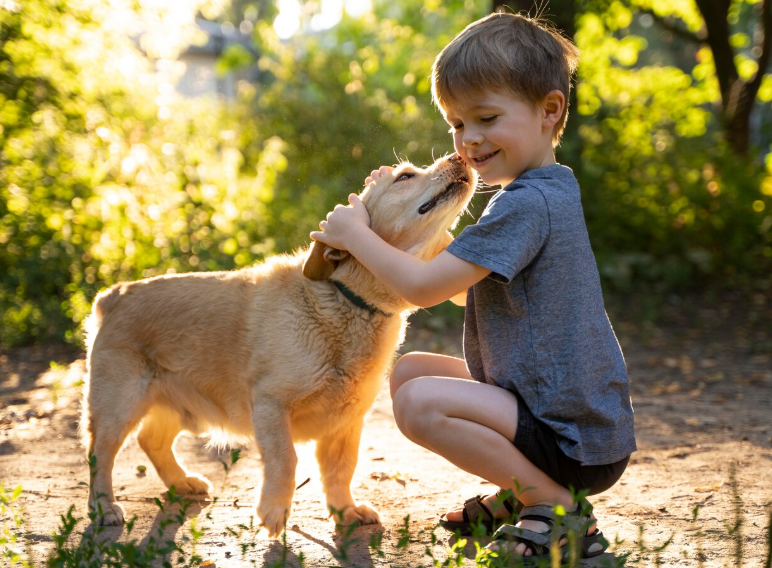
Let’s start with the clarification that a dog is more than just a pet- they become part of the family and can profoundly impact a child’s emotional and social development. Dogs teach responsibility, empathy, patience, and communication skills. Kids who grow up with dogs often develop stronger social skills and a sense of caring for others.
However, mismatches between a dog’s temperament and a child’s personality or energy level can lead to frustration, stress, and even safety concerns.
Let’s take a Border Collie, for example. They're amazing for active families with older kids who love playing fetch and running around outside.
On the other hand, that high energy can be overwhelming for toddlers when they can't really keep up. It goes both ways, though- a smaller and calmer dog like the Cavalier King Charles Spaniel might get stressed out by the rough play of an energetic kid, but they can be perfect for younger children who need a gentler friend.
It’s essential to understand both your child’s needs and your dog’s characteristics to help them build a positive and successful partnership!
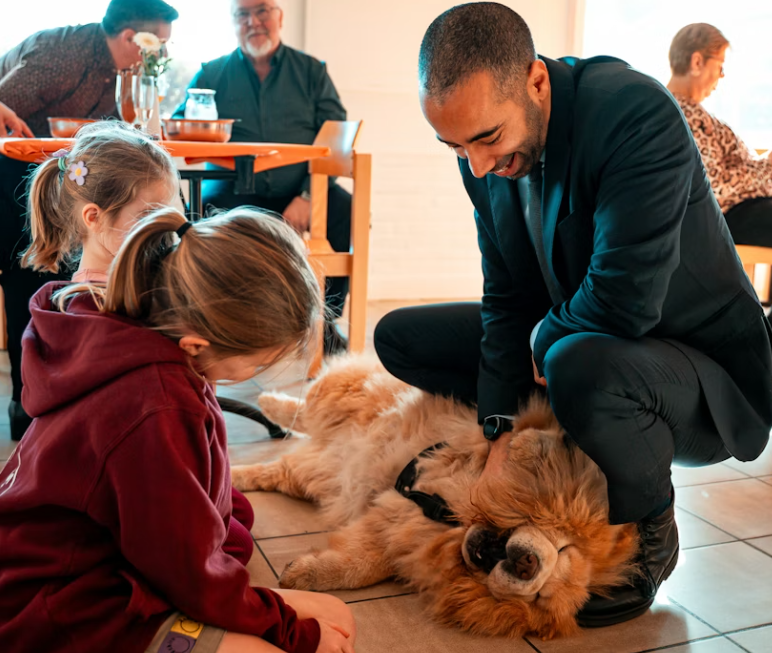
Key Factors to Consider When Choosing a Dog for Kids
Before choosing a breed, it’s important to evaluate several factors that will help ensure both your family and your furry friend enjoy a harmonious life together.
Temperament
A dog’s temperament is arguably the most important factor. Children need a paw companion that is patient, gentle, and tolerant of noise and sudden movements, as kids can sometimes be unpredictable and energetic. You may want to look for breeds known for their even temper, friendliness, and adaptability, as these dogs are more likely to handle the ups and downs of family life with ease.
Keep in mind, though, that while the breed can provide a helpful insight into what to expect from a dog, it’s each dog’s individual personality and temperament that truly matter most. Some dogs from typically calm breeds may be more spirited, while others from energetic breeds can be surprisingly mellow.
Spending time with a dog before bringing them home, observing how they respond to children, and considering how they handle new situations will help ensure you find a paw companion who fits naturally into your family. A well-matched temperament provides the foundation for a safe, happy, and lasting bond between your dog and your kids.
Energy Levels
A dog’s energy level is another key factor to consider, as it needs to match your family’s lifestyle. High-energy breeds are best suited to active households, where family members enjoy long walks, games of fetch, and outdoor adventures alongside children who love to run and play. Active dogs can keep up with energetic kids and provide entertainment.
However, it’s important to remember that they also require regular physical and mental stimulation to stay happy, fit, and well-behaved. Intelligent high-energy dogs may develop bad habits if they don’t have their needs for exercise and mental stimulation met.
Conversely, lower-energy breeds are often a better fit for families who enjoy quiet time, shorter walks, or have younger children who may not be able to handle nonstop activity. These dogs are usually content to lounge nearby while still joining in family activities when needed. Understanding your family’s rhythm and choosing a dog whose energy level aligns with it can help prevent frustration for both kids and pets, creating a smoother, happier household for everyone.
Size
A dog’s size plays an important role, especially in families with toddlers or younger children.
Larger dogs, even the gentlest ones, can accidentally knock over a small child during play simply due to their strength. On the other hand, very small dogs can be more delicate and may feel overwhelmed by energetic hugs, sudden movements, or rough play. This, in turn, can increase the risk of accidental injury for both the child and the dog.
For many families, medium-sized breeds appear to bring a comfortable balance. They are usually sturdy enough to handle active play while still being manageable for everyday care, training, and supervision.
That said, the dog’s size alone should never be the deciding factor. A calm and well-trained large dog can be a great companion for kids, the same way a confident and well-socialized representative of a small breed can have a happy life in a family with children.s
What matters most is choosing a dog whose size, temperament, and energy level fit naturally into your family’s lifestyle.
Maintenance Needs
When choosing a dog for your family, it’s important to consider how much time and effort you can devote to their maintenance, including grooming, exercise, and training. You should be realistic, though, and take your lifestyle, schedule, and energy levels into consideration.
Some breeds, especially those with long or thick coats, require regular brushing and occasional professional grooming to keep their fur neat and mat-free. Short-haired dogs are often lower-maintenance in terms of grooming, but they still need regular baths, nail trims, and ear cleaning to stay healthy.
Beyond grooming, all dogs need exercise and mental stimulation. If you plan to train your dog as your companion animal or service dog, remember that consistent training will be one of your responsibilities. Of course, you can always reach out to a trainer for assistance, but involvement in the process will still be needed. Training takes time, patience, and consistency. Showing love and understanding your dog’s unique needs will set you up for success.
Some breeds are more demanding than others, needing daily walks, playtime, and structured learning sessions, while others are more content with moderate activity and basic training. Thinking about how much time your family can commit to these responsibilities will help ensure that your dog stays happy, healthy, and well-behaved.
Remember that welcoming a furry friend into your family should enhance your home rather than feel like a burden.
Age and Maturity of Children
The age of your children is another important factor when choosing a dog.
Younger children often benefit from calmer and more patient dogs that can handle sudden movements and loud noises without getting stressed, agitated, or overly excited. These dogs are usually more tolerant of hugs and unpredictable play, which can help prevent accidental scratches or knocks.
Older children, on the other hand, may be able to handle more energetic, independent, or larger breeds. They can participate in walks, play time, and even help with training and exercise. This will be particularly beneficial for dogs that need more stimulation and activity.
Matching a dog’s personality, energy, and size to the age and maturity of your children will help create a safe and enjoyable environment for both. It’s just as important to honestly evaluate not only the dog’s temperament but also your own and your children’s maturity.
Top Dog Breeds for Kids
While every dog is an individual, certain breeds are widely recognized for their ability to interact well with children. We’ll list several breeds and hope that the information will help guide you in the right direction.

Golden Retriever
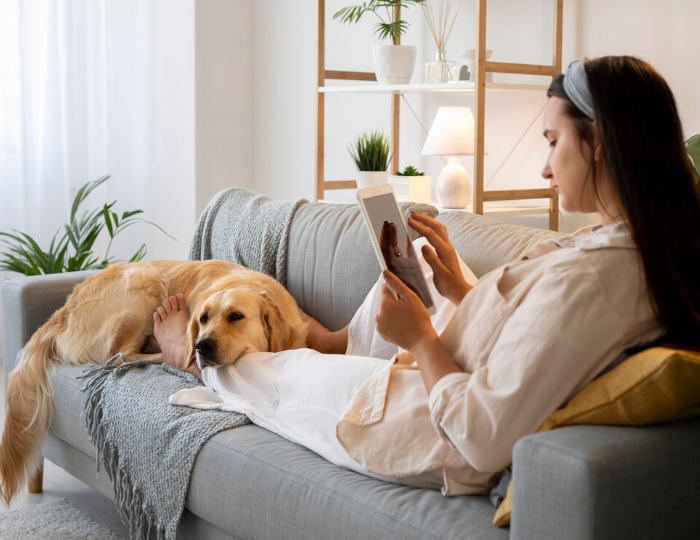
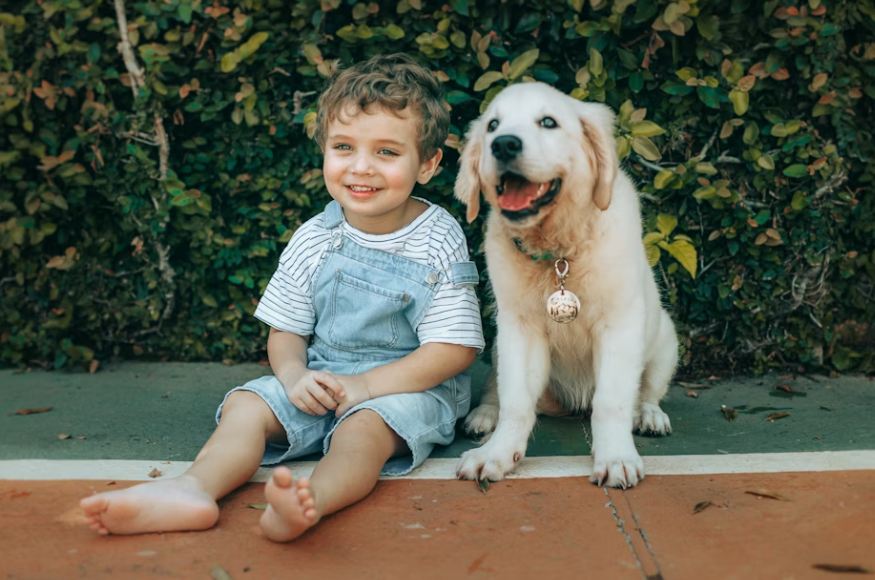
Golden Retrievers are a top choice for families with children. They are widely recognized for their friendly, social, and patient temperament, as well as their easygoing personality with both children and other dogs (unless, of course, it comes to their favorite item- the ball!). Goldies are highly adaptable, which means they can adjust to various household environments, from busy urban apartments to spacious suburban backyards.
While they are not known for being protective, they are very loyal and can become protective if they sense danger. This makes them excellent companions for children.
These lovely dogs also enjoy learning and respond excellently to training, which can help teach kids how to interact appropriately with dogs. Golden Retrievers are one of the preferred breeds for more advanced work, so if you’re considering making your furry friend a service dog or companion animal, a Golden Retriever may be a great fit for you!
There are two important things to remember if you opt for this breed: you should always have a ball on hand and, ideally, a swimming pool, as most Golden Retrievers love water and are excellent swimmers!

Labrador Retriever
Labrador Retrievers are another especially popular breed for families, and there’s a good reason for that! These dogs are known for their gentle, friendly, and patient nature.
Labs are highly intelligent and easily trained, which makes teaching them appropriate behavior around children quite straightforward. Their playful demeanor allows them to enjoy games of fetch, swimming, and other outdoor activities, keeping kids active and entertained.
The breed representatives are medium to large-sized dogs, so supervision with younger children is important, but their affectionate personality usually makes up for their size. They thrive in active households and form strong bonds with all family members.
Labrador Retrievers are highly predisposed to gaining weight, so be mindful when feeding them or giving them rewards as part of training sessions...or simply because they are adorable.

Beagle
Beagles are small to medium-sized dogs with playful, curious personalities and a strong impulse for being part of the action! They are energetic, cheerful, and thrive in family environments where there is plenty to see, smell, and explore.
This makes them a great match for active children who enjoy outdoor play, walks, and adventures, as Beagles are happiest when they are included in daily activities.
Their compact size makes them less intimidating for younger children, while their sturdy physique allows them to handle playtime without being overly fragile. Beagles are social dogs who typically enjoy interacting with everyone in the household and don’t like being left out.
It’s important to remember that the breed representatives are scent hounds, which means they can become easily distracted by interesting smells during walks or outdoor time. They’re known for being gentle, friendly, and generally good-natured, but they can also be a bit stubborn, especially when their nose takes over.
Consistent training, patience, and secure fencing are key to helping them stay safe and focused while still enjoying their natural curiosity.
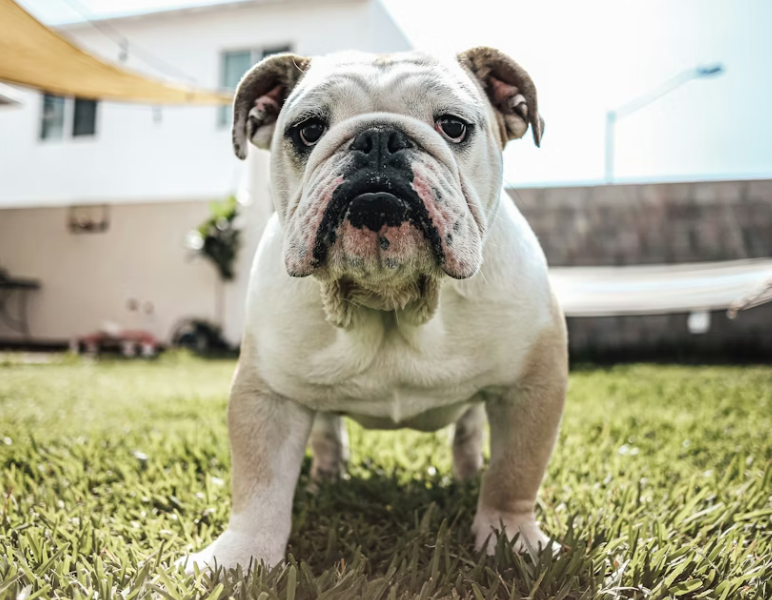
Bulldog
Bulldogs are known for their calm and affectionate personalities. They are low-energy dogs that enjoy lounging around but still love playful interaction with kids.
Their muscular, sturdy build makes them more durable than smaller breeds, while their gentle demeanor helps them tolerate children’s abrupt movements.
Bulldogs are low-maintenance in terms of grooming and require only occasional brushing. They also adapt well to apartment living.
These dogs are perfect for families looking for a laid-back companion who enjoys affection more than high-intensity activity.

Poodle
Poodles are intelligent, highly trainable, and versatile dogs, which allows them to fit into different family environments.
Standard Poodles tend to be more energetic and athletic, making them excellent playmates for older and more active children who enjoy outdoor activities and interactive games. Miniature and Toy Poodles, on the other hand, are well-suited for smaller homes or families with younger children, as long as interactions are gentle and supervised.
One of the biggest advantages of Poodles is their hypoallergenic coat, which makes them a popular choice for families with allergies. While their curly coat requires regular grooming, they shed very little, which greatly helps reduce allergens in your home.
Please keep in mind, though, that no breed is 100% hypoallergenic. All dogs produce allergens like dander and saliva that may trigger reactions in sensitive people. However, breeds like the Poodle, Yorkshire Terrier, Maltese, and Bichon Frisé shed very little hair and dander, which makes them more suitable options for individuals with allergies.
Poodles thrive on mental stimulation and enjoy learning, so puzzle toys, training sessions, and interactive games are essential for keeping them happy and well-behaved. Their high intelligence means they can learn commands quickly and respond well to consistent, positive training, which is especially helpful when teaching safe and calm interactions around children.
With the right balance of mental engagement, exercise, and affection, Poodles make loyal, loving, and highly adaptable family companions.

Boxer
Boxers are medium to large-sized dogs known for their high energy, playful nature, and strong bond with their families. They are often described as fun-loving and goofy, yet deeply loyal, and all these qualities make them wonderful companions for children.
Boxers also tend to be naturally protective, forming close attachments to their family members and often keeping a watchful eye on the kids, which many parents find reassuring.
Because of their high energy levels, these dogs thrive in active households where they can burn off energy through daily walks, play sessions, and interactive games. They particularly enjoy activities that challenge both their bodies and minds, such as fetch, agility-style games, or structured training exercises.
It’s important to note that while Boxers are affectionate and eager to please, their strength and enthusiasm require consistent training and clear boundaries from an early age. Without proper guidance, their excitement can sometimes lead to jumping or overly boisterous play.
Boxers are a great match for families with older children who can actively participate in their care and training. If you are willing to invest time in regular exercise, training, and quality interaction, you will be rewarded with a loving, devoted, and highly engaging family dog!

Cavalier King Charles Spaniel
Cavalier King Charles Spaniels are known for their gentle and affectionate nature and smaller size, which makes them a lovely choice for families with younger children. They are also a great match for those living in apartments.
They are people-oriented dogs that thrive on companionship and love being close to their family members, whether that means cuddling on the couch or quietly following everyone from room to room. Their calm and friendly demeanor helps them get along well with other pets and children.
Cavaliers are adaptable dogs that can easily adjust to different lifestyles, as long as they receive enough attention and affection. They enjoy moderate exercise, such as daily walks and light play sessions, but are also happy when relaxing at home with their family.
These dogs tend to respond well to gentle, positive training methods and are eager to please, which makes them relatively easy to train. With their sweet temperament and manageable needs, Cavalier King Charles Spaniels make loving companions for many types of households.
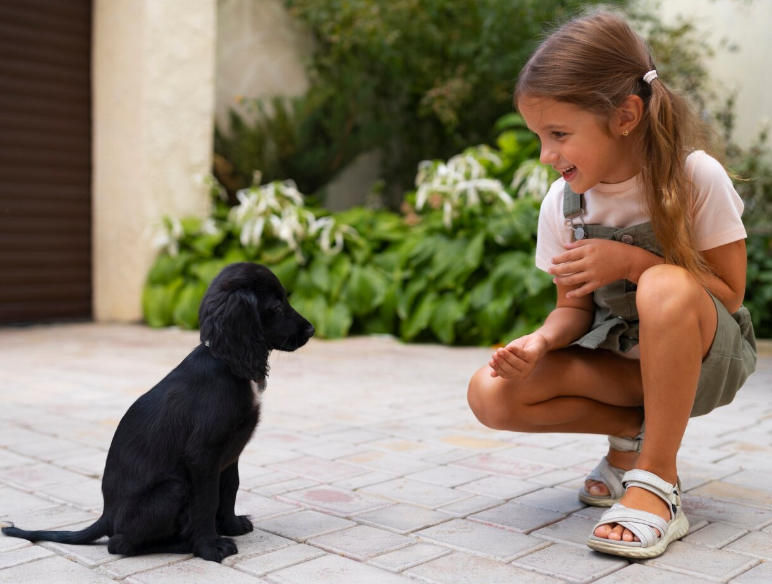
Tips on How to Introduce a Dog to a Family with Children
Even the most child-friendly dog requires proper introduction and guidance, which helps ensure a safe and harmonious relationship. On the other hand, children also need to learn how to interact with dogs and animals, in general, respectfully.
Teach Your Kids How to Appropriately Interact with Your Dog
Children should learn how to approach and handle dogs respectfully, which includes:
- Avoiding pulling ears or tails;
- Letting the dog come to them rather than forcing interaction;
- Using calm voices and slow movements.
These habits protect both the dog and the child from stress or accidental injury.
Supervision is Essential
Supervision is especially important with young children or new dogs. Even well-trained and gentle dogs can react unpredictably if they feel startled, overwhelmed, or uncomfortable.
That’s why close monitoring is important to ensure everyone stays safe. It allows you to step in quickly if a situation starts to escalate. Supervision also allows you to guide positive interactions and teach children how to respect a dog’s boundaries, which helps build trust and confidence on both sides.
Training and Socialization
A dog that is properly trained and socialized is more predictable and reliable around children. With that said, basic obedience commands, leash training, and socialization with other dogs and people should never be neglected.
Keep in mind that engaging your dog both physically and mentally helps prevent behavioral issues and keeps them happy and mentally sharp. Regular playtime, interactive games, and short training sessions not only provide stimulation but also reinforce positive behaviors.
Positive reinforcement methods are highly effective, as they will help you build a strong bond with your furry friend. Over time, your consistent and gentle approach will foster trust, strengthen communication, and encourage your dog to respond calmly and confidently in new or challenging situations.
Establish Routines and Responsibilities
We highly recommend involving your children in your dog’s care, as this will teach them responsibility, empathy, and respect for living creatures. Simple tasks like feeding, brushing, or assisting with walks under adult supervision can make your kids more confident and independent, and also ensure your furry friend receives proper care. These activities also create opportunities for family bonding and help kids understand the effort it takes to care for a pet.
Consistent routines provide structure and predictability, which both dogs and children benefit from. When kids and dogs know what to expect for meals, walks, and playtime, everyone feels calmer and daily routines run more smoothly. As children take on tasks and follow a routine, they learn to cooperate, gain confidence, and develop skills that will benefit them in many areas of life.
Choosing the best dog for a family with children requires thoughtfulness, research, and patience. While breed characteristics provide a helpful guideline, remember that every dog is an individual. Personality, early socialization, and training will ultimately shape the dog’s behavior and suitability for your household.